Sydney food guide
12 Sydney foods to try: a practical eating guide
Sydney does not have one signature menu. Its most useful food trail moves between the harbour, neighbourhood bakeries, Chinatown, the Inner West and Western Sydney, with enough time to understand what you are ordering.

Sydney’s food identity is not a checklist of dishes invented inside the city boundary. It comes from the coast and estuaries, a serious cafe culture, neighbourhood bakeries, Cantonese dining rooms, Vietnamese businesses and the food cultures of Western Sydney. A useful tasting plan respects those contexts instead of squeezing every item into one rushed day.
The venues below are examples with current official websites, not a claim that each is the single “best” in Sydney. Menus, availability and service arrangements change. Follow the official link before travelling and ask the venue directly about allergies or religious dietary requirements.
Choose a food route before choosing twelve stops
| Route or cluster | Foods that fit naturally | Practical shape |
|---|---|---|
| Surry Hills to Woolloomooloo | Flat white, sausage roll, lamington and meat pie | Start near Central, walk east through Surry Hills, and finish near the wharf only if the distance suits the group |
| Chinatown and Darling Square | Banh mi and yum cha | One compact central cluster; choose a quick sandwich or a longer shared tea meal rather than forcing both |
| Glebe and the Inner West | Sydney rock oysters and gelato | Visit the fish market, then treat Enmore as a separate rail or bus stop rather than an immediate walk |
| Western Sydney | Lebanese charcoal chicken and pho | Granville and Bankstown are distinct destinations; give either neighbourhood enough time instead of treating it as a CBD detour |
| Harbour outing | Fish and chips or native-ingredient dining | Watsons Bay is a ferry-led day; the Opera House option stays around Circular Quay and suits a booked meal |
For live journeys, use the Transport for NSW Trip Planner. Save the route home as well as the route to lunch, particularly for a Western Sydney or Watsons Bay stop.
1. Sydney rock oysters
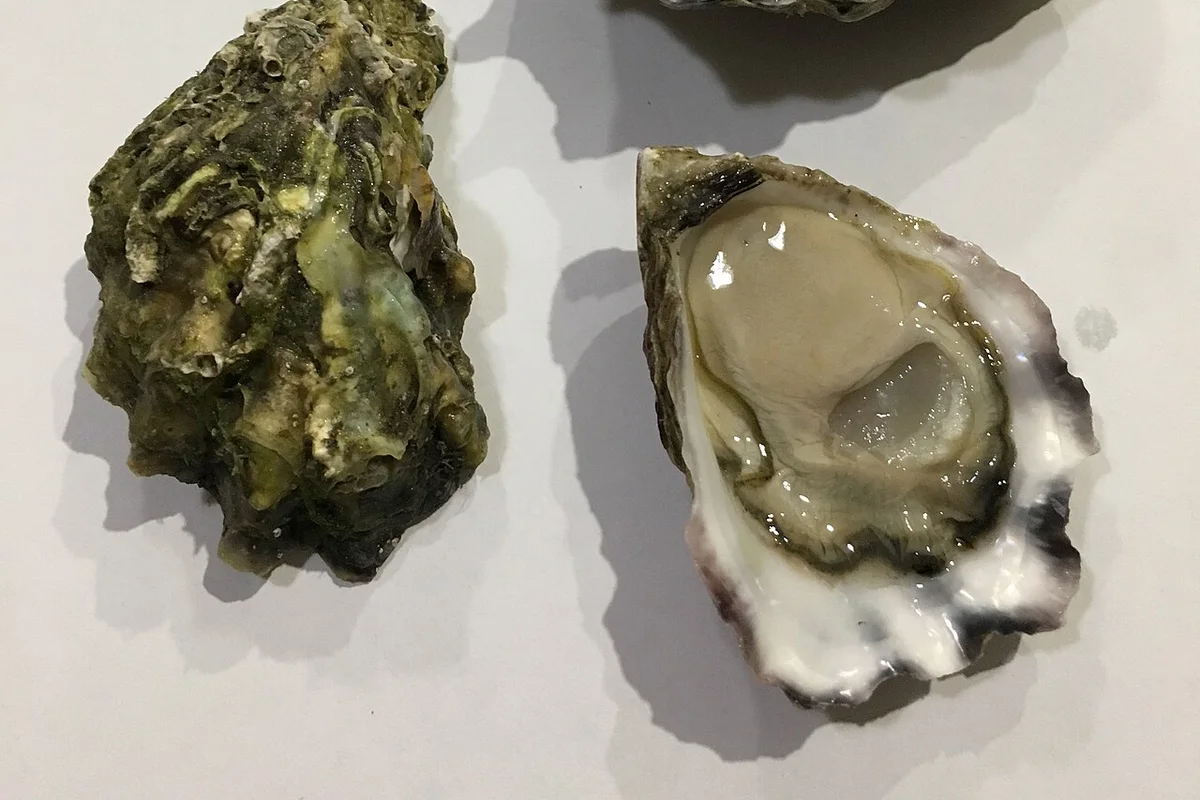
The Sydney rock oyster, Saccostrea glomerata, is a named Australian oyster species, not shorthand for any oyster eaten beside Sydney Harbour. The Sydney Fish Market species guide explains how it differs from alternatives commonly sold beside it.
For a first tasting, order a small serve natural and ask two questions: “Are these Sydney rock oysters?” and “Where were they grown?” Estuary and handling can affect flavour, so the answer is more informative than a generic promise that an oyster is local. Lemon or mignonette can follow after tasting one without dressing.
The new Sydney Fish Market visitor guide places the market at 1 Bridge Road, Glebe, near Wentworth Park and Glebe light-rail stops. Use the live retailer directory to see who is trading; individual counters control their own stock.
Raw shellfish carries a food-safety risk and is not suitable for every traveller. Anyone who is pregnant, immunocompromised or managing a shellfish allergy should seek appropriate health advice and choose accordingly. A displayed tray may contain another oyster species, and price changes with grower, grade and supply.
2. A flat white
A flat white combines espresso with steamed milk and fine microfoam. Compared with a cappuccino, the milk surface is usually less foam-forward; compared with a large milk drink, the coffee-to-milk balance can feel more concentrated. Cup sizes and recipes still differ by cafe, so it is better to describe the drink in front of you than police a universal formula.
Single O Surry Hills, at 60–64 Reservoir Street, is a practical central stop because the official venue page explains its coffee focus and current service information. Ask what espresso is being used and order a regular flat white before adding syrup or an extra shot if the aim is to understand the house style.
Milk is the default ingredient, not a dietary footnote. Ask about plant-based milk, decaffeinated coffee, extra charges and preparation if an allergy matters. Espresso contains caffeine even when its flavour is softened by milk. Avoid repeating the disputed claim that Sydney unquestionably invented the flat white; the useful local story is the strength of the city’s present-day cafe culture.
3. A meat pie with mash, peas and gravy
The Australian meat pie is a handheld pastry filled with meat and gravy. At Harry’s Cafe de Wheels, the more distinctive order is the Tiger Pie: a pie topped with mashed potato, mushy peas and gravy. The layers turn a portable snack into something that needs a fork and a little patience.
Harry’s official store finder continues to list Woolloomooloo, and the official menu describes both the Tiger Pie and simpler pies. Choose the Cowper Wharf Roadway cart when the history and waterside setting are part of the point; another branch is useful only if convenience matters more.
The signature order contains meat and wheat, and likely contains dairy across its pastry or toppings. Harry’s lists a vegetable pie, but that does not establish an allergy-safe kitchen. Confirm ingredients and shared preparation with staff. Treat this as an informal takeaway stop and check the current branch menu instead of relying on a price copied into a travel article.
4. Banh mi
Banh mi is built around contrast: a crisp baguette, savoury filling, pickled vegetables, fresh herbs and optional chilli. Pate, roast pork and pork cold cuts are common in a classic meat order, but fillings differ across Vietnamese bakeries and sandwich shops.
For a visitor staying near the city, Marrickville Pork Roll at 16 Steam Mill Lane in Haymarket is easy to combine with Darling Square. The precinct’s current venue listing gives the address and links the city outlet to the business’s Marrickville identity. The original suburb has a deeper concentration of Vietnamese food, but it deserves its own Inner West visit rather than a token dash for one sandwich.
Say whether you want chilli before the roll is assembled. A classic pork version contains pork, pate and wheat; mayonnaise may contain egg, and sauces can contain fish or soy. The venue listing notes a vegetarian choice, but vegetarian does not automatically mean vegan or allergy-safe. Ask about the exact filling and cross-contact. Banh mi is generally a quick meal, making it a better fit before an activity than immediately before a long yum cha sitting.
5. Yum cha and dim sum
Yum cha is a Cantonese tea meal shared around a table; dim sum are the small dishes eaten with it. That distinction helps first-time visitors understand why the experience is more than ordering a plate of dumplings. A balanced first round might include steamed dumplings, a rice-noodle roll, buns or another baked item, followed by additional dishes only after the group sees how much food has arrived.
The Eight is on Level 3 of Market City, 9–13 Hay Street, Haymarket. Its official site describes Cantonese cooking, dim sum and current service arrangements, while Market City’s listing confirms the shopping-centre location. Central Station, Chinatown and the Paddy’s Markets light-rail stop make this one of the easier sit-down experiences to place in a city itinerary.
Ask how ordering and plate charging work before choosing from a trolley or menu. Small plates accumulate into a full meal and bill faster than their size suggests. Pork, prawns and other shellfish, sesame, soy, wheat and egg are common; a vegetable-looking dumpling may still use animal stock. Contact the restaurant in advance for a serious allergy or strict dietary need, and do not rely on appearance alone.
6. Lebanese charcoal chicken with toum
A Western Sydney charcoal-chicken meal is best understood as a shared spread rather than one isolated piece of chicken. Order flame-grilled chicken with toum, pickles, bread and a fresh salad; add chips if wanted. Toum is a powerful emulsion of garlic, oil, lemon and salt, so try a small amount before covering everything with it.
The El Jannah Granville location page identifies 4/8 South Street as its first store and gives practical access from Granville Station. The same page states that the chicken comes from halal-certified suppliers. That is a venue-specific statement worth linking directly, not a reason to make assumptions about every chicken shop in Sydney.
Bread contains gluten, and garlic is central to toum. A falafel or salad option may suit some vegetarians, but shared preparation and individual sauces still need checking. A half or whole chicken meal makes most sense when people can share; solo travellers can ask what portion avoids unnecessary waste. Granville is a destination in its own right, not merely somewhere to rush through between central attractions.
7. Fish and chips by the harbour
The most useful question at a fish-and-chip counter is “Which fish is this today?” Species, cut and preparation affect the meal more than a waterfront label. Ask whether it is battered, crumbed or grilled, and whether chips share the fryer with seafood or other products.
Doyles operates distinct Watsons Bay options: the full-service Doyles on the Beach at 11 Marine Parade and the more casual Fishermans Wharf takeaway. Decide which experience fits before boarding the ferry. The restaurant is a planned sit-down meal, while the wharf counter makes more sense for a flexible harbour day.
Transport for NSW lists the F9 ferry between Circular Quay and Watsons Bay. Check live running and the return before leaving; harbour conditions or operational changes can affect a ferry-led itinerary.
Fish and shellfish allergies require direct questions, and battered fish contains gluten unless the venue confirms otherwise. Shared oil can defeat an apparently suitable order. Current catch, menu and service rules belong on the official site, not frozen into a “best fish and chips” promise.
8. A panna cotta lamington
A standard lamington is sponge cake coated in chocolate and coconut. Flour and Stone’s panna cotta lamington is a bakery interpretation in which the sponge is enriched by a creamy soak, making it softer and more dessert-like than a plain packaged square.
The bakery’s official overview identifies the panna cotta lamington as one of its signature products. Its contact page distinguishes the Annexe at 43 Riley Street, Woolloomooloo, for takeaway and order collection from the Pantry at 53 Riley Street for dine-in. Choose the format before arriving rather than joining the wrong counter.
Expect wheat/gluten, dairy, egg and coconut. Daily bakery stock can sell out, so treat the lamington as a hoped-for order rather than a guaranteed reservation unless the business confirms it. This version is not evidence that all lamingtons contain panna cotta; explain the classic cake first, then the bakery’s variation.
9. Small-batch gelato
Gelato is less about ticking off a national dish than joining a Sydney neighbourhood’s after-dinner rhythm. The useful way to order is to ask which flavours were made that day, taste one if samples are being offered, then choose a cup or cone that does not bury the flavour under too many combinations.
Cow and the Moon describes itself as a family-run artisan gelateria that began in Enmore. Its location page lists 181 Enmore Road, reachable from Newtown Station via King Street and Enmore Road or by local bus. Pair it with an Inner West evening rather than crossing Sydney only for dessert.
Milk, egg and nuts vary by flavour. Sorbet-style names do not prove that a product is vegan, dairy-free or safe from nut cross-contact. Ask staff and read the current allergen information. Popularity can create a queue after dinner, so keep the stop flexible rather than placing it before a timed performance.
10. A pork-and-fennel sausage roll
Sydney’s bakery culture is visible in savoury pastry as much as sourdough and sweets. A pork-and-fennel sausage roll combines seasoned pork with crisp, flaky pastry and works as breakfast, lunch or a substantial walking snack.
The original Bourke Street Bakery in Surry Hills is at 633 Bourke Street. The bakery’s current menu lists its pork-and-fennel roll and a plant-based tofu-and-vegetable alternative. That makes the menu worth checking, but stock at the counter can still vary.
The pork roll contains meat and gluten. The bakery warns that products may contain traces of egg, gluten, soy, nuts and seeds, so the presence of a vegan-labelled alternative does not make the entire site free of those allergens. If pastry is the day’s main food goal, visit before building a tight schedule around a particular item remaining on the shelf.
11. Vietnamese pho
Pho is a rice-noodle soup assembled around aromatic broth, herbs and a chosen meat or cut. First-time diners should decide between beef and chicken, then read the cut descriptions rather than ordering by number alone. Rare beef, cooked beef, tendon, tripe and other additions create very different bowls.
An Restaurant at 27 Greenfield Parade, Bankstown specialises in Saigon-style beef and chicken pho. Its official site describes long-cooked bone broth and the available styles. The restaurant is close to Bankstown Station, but Sydney’s southwest transport network has changed over time; use the live trip planner rather than an old blog’s line instructions.
The venue describes both beef and chicken broths as bone-based, so a bowl with noodles and herbs should not be presented as vegetarian. Condiments can add fish, soy, gluten or chilli. Ask before adding sauces if an allergy matters, and choose familiar cuts if offal is not wanted. Bankstown has much more to explore than one bowl, so leave room for the neighbourhood rather than returning immediately to the CBD.
12. A dish centred on native Australian ingredients
There is no single dish that represents all Aboriginal food cultures. A more respectful introduction is a menu that names its chef, ingredient provenance and culinary point of view. Ingredients such as wattleseed, saltbush, bush honey and native succulents can appear in savoury or sweet dishes, but their use and meaning should be explained by the people preparing them.
Midden by Mark Olive sits on the Western Broadwalk of the Sydney Opera House. Its official site describes chef Mark Olive’s Indigenous Australian perspective and a menu led by native Australian ingredients. Destination NSW also provides a venue overview and mapped address.
This is a book-ahead restaurant experience rather than a cheap tasting counter. The menu can change, so choose from the live list instead of travelling for a dish mentioned in an old article. Native ingredients do not imply that a plate is vegetarian, vegan, gluten-free or allergen-free. Ask the venue, and attribute the interpretation to the chef rather than turning it into a broad claim about every First Nations tradition.
A realistic one-day sampler
One central day can begin with a flat white in Surry Hills, continue with either a sausage roll or lamington, and move to Haymarket for banh mi or yum cha. Finish around Woolloomooloo only if the walk and appetite still make sense. That is already a full food day; adding Granville, Bankstown, Enmore and Watsons Bay would turn neighbourhoods into transport checkpoints.
Use separate outings for the Sydney Fish Market and Inner West, Watsons Bay, and Western Sydney. Pair each meal with something nearby from the Sydney things-to-do guide, and use the getting-around guide before committing to multiple suburbs.
Before ordering
- Check the venue’s official page on the day for closures, booking rules and menu changes.
- Ask what species, filling, broth or cut is being served rather than relying on a generic dish name.
- State serious allergies before ordering and ask about stock, sauces, shared fryers and cross-contact.
- Do not assume vegetarian means vegan, halal certification covers every menu item, or native ingredients make a dish allergen-free.
- Let takeaway stops remain flexible and make only one sit-down booking the fragile commitment in the route.
- Save the return journey before travelling to Watsons Bay, Granville or Bankstown.
The strongest Sydney food itinerary is not the one with the most famous names. It is the one that gives each neighbourhood, kitchen and food tradition enough time to be understood.
Addresses and meeting points
Put the activity on the map
Use these points for orientation. Your dated ticket or operator confirmation takes priority if it names a different entrance, wharf or meeting point.
Sydney Fish Market
1 Bridge RoadNSW 2037 GlebeAustraliaUse the current market directory to choose a retailer, then confirm the oyster species and growing area at the counter.
Single O Surry Hills
60-64 Reservoir StreetNSW 2010 Surry HillsAustraliaA central place to learn the texture and proportions of a flat white; ask before assuming a particular milk is available.
Harry's Cafe de Wheels Woolloomooloo
Cowper Wharf Roadway at Brougham RoadNSW 2011 WoolloomoolooAustraliaThe original harbourside cart is the relevant branch for the Tiger Pie; verify the live store listing before making a special trip.
El Jannah Granville
4/8 South StreetNSW 2142 GranvilleAustraliaClose to Granville Station and most useful as a shared charcoal-chicken meal with bread, pickles and toum.
Doyles on the Beach
11 Marine ParadeNSW 2030 Watsons BayAustraliaThe sit-down restaurant and Fishermans Wharf takeaway are different choices; decide which format you want before travelling.
An Restaurant
27 Greenfield ParadeNSW 2200 BankstownAustraliaNear Bankstown Station; choose beef or chicken and understand the cuts before ordering a bowl of pho.