Family guide
12 fun family-friendly activities in Sydney
Sydney works best for families when each day has one memorable anchor and an easy exit. This guide compares wildlife, museums, harbour trips, play spaces and beaches without pretending that every activity suits every age or weather forecast.

Which Sydney family activity fits your day?
| Activity | Best fit | Weather exposure | Main check before leaving |
|---|---|---|---|
| Taronga Zoo | Animal-focused full day | Mostly outdoors and hilly | Current exhibits, access route and return transport |
| SEA LIFE Sydney Aquarium | Marine life and a central wet-weather option | Mostly indoors | Arrival slot, admission terms and crowd capacity |
| Australian Museum | Natural history and a flexible central visit | Indoors | Current exhibitions and any ticketed sessions |
| Maritime Museum | Ships, navigation and hands-on history | Indoor galleries plus exposed vessels | Which vessels are open and who can board them |
| Luna Park | Rides and a harbour-side outing | Mixed, with outdoor rides | Dated calendar, ride status and height rules |
| Tumbalong Park | Unstructured play between bookings | Outdoors | Sun, water-play conditions and event closures |
| Royal Botanic Garden | Space, nature and a low-pressure walk | Outdoors | Gate notices, weather and the current visitor map |
| Cockatoo Island | Ferry ride and layered harbour history | Outdoors with uneven industrial areas | Return ferry, terrain and tour availability |
| Sydney Park | Cycling practice, playgrounds and picnic space | Outdoors | Shared-space rules, helmets and weather |
| Ian Potter Children’s WILD PLAY Garden | Nature play, climbing, water and sand | Outdoors | Current notices, clothes for messy play and supervision |
| Manly ferry and beach | Transport experience plus seaside time | Exposed to wind, sun and surf | Ferry alerts, patrol status and water conditions |
| Featherdale Wildlife Park | Australian wildlife in western Sydney | Largely outdoors | Full transport chain, encounters and current conditions |
No table can decide for a particular child. Walking tolerance, sensory needs, naps, supervision ratios and weather matter more than the number of attractions completed. Use the Transport for NSW Trip Planner for the actual travel date and keep the expensive or timed activity as the day’s only fragile commitment.
1. Taronga Zoo: a harbour journey and an animal day
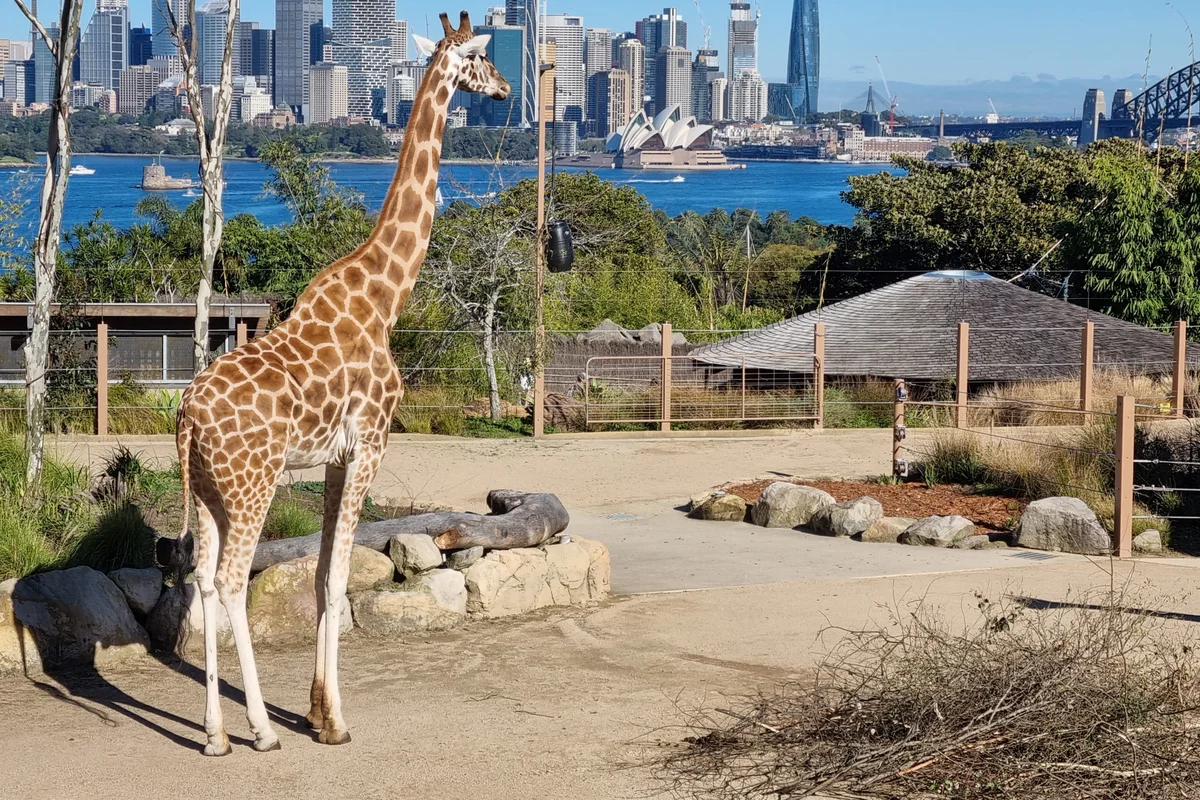
Taronga is the strongest choice when animals are the main event rather than a short add-on. Its Mosman site overlooks the harbour, but the campus is large and sloping. That makes route choice important for prams, small children and anyone who tires on hills. Pick a short list of priority animals, identify food and rest points, and accept that seeing the whole zoo may not be the best family day.
Public transport can make the journey memorable, but the ferry, bus and zoo entrance still need to line up on the day. Check temporary access impacts, animal-area changes and the current site map on Taronga’s official visitor-information page. Save Bradleys Head Road on the map rather than navigating only to Mosman.
2. SEA LIFE Sydney Aquarium: a central indoor anchor
SEA LIFE works when marine animals interest the family and the forecast makes an indoor attraction useful. It is at 1-5 Wheat Road on the city side of Darling Harbour, within walking distance of central stations and light-rail stops. The route through a popular aquarium can be busy, so agree on a meeting rule and keep children close rather than assuming every gallery is easy to regroup in.
Admission arrangements and capacity controls can change. Use the aquarium’s official directions and arrival guidance for the selected date, and map the Wheat Road entrance. Tumbalong Park or a short waterfront pause is a more resilient second stop than another timed attraction across the city.
3. Australian Museum: dinosaurs, nature and a flexible finish
The Australian Museum is a practical family option because it is central, indoors and easier to shorten than a distant full-day excursion. Its natural-history collections can work for children who want animals, fossils or First Nations knowledge, while adults can select only the galleries that match the group’s attention span.
General access, special exhibitions and programs do not necessarily follow the same admission rules. Bags, scooters and other carried items may also be restricted in parts of the building. Check the museum’s current visit information before departure. The entrance is at 1 William Street, with Museum, St James, Town Hall and Gadigal transport connections depending on the starting point.
4. Australian National Maritime Museum: choose galleries or vessels
The Maritime Museum gives families two different experiences in one Darling Harbour location: indoor galleries and real vessels on the waterfront. Children interested in ships, submarines, migration or navigation may engage more deeply here than at a general city museum. Decide beforehand whether boarding vessels is essential or whether the indoor collections are enough.
Vessel openings, boarding access and physical requirements can differ. Gangways, ladders, confined interiors, heat and rain can turn the outdoor element into a different visit from the main building. Review the museum’s official planning information and current vessel notices, then map 2 Murray Street. Light rail, train, ferry and pedestrian approaches serve different sides of Darling Harbour, so use the exact entrance in the trip planner.
5. Luna Park: choose rides before choosing a ticket
Luna Park is easy to recognise and straightforward to combine with a harbour crossing, but a successful visit depends on named rides rather than the park’s reputation. Ask which two or three rides matter most, then check whether each is operating and which height and supervision rules apply. A child can be tall enough for one ride and not another.
The park is at 1 Olympic Drive beside Milsons Point Wharf and below Milsons Point Station. Ferries are enjoyable when running to plan; the train is a useful land alternative. Read our detailed Luna Park guide, verify the current information on the official visit page, and save the correct entrance.
6. Tumbalong Park: free play in Darling Harbour
Tumbalong Park is valuable precisely because it is not another formal attraction. The playground and water-play area can give children room to move between a museum, aquarium or meal. It also gives adults an easy way to shorten or lengthen a Darling Harbour day without losing a booking.
This is an outdoor public space, so shade, hot surfaces, wet clothing and close supervision around play and water all matter. Events can change how parts of the park are used. Check the City of Sydney’s Tumbalong Park page and map the Darling Harbour park itself, not only the broader precinct.
7. Royal Botanic Garden: space without a fixed program
The Royal Botanic Garden is a good reset after a structured city attraction. Families can choose a short harbour-edge walk, a lawn pause or a plant-focused exploration without committing to a single prescribed route. It works especially well when different family members need different levels of activity.
The garden is large, gates may follow seasonal arrangements and severe weather can affect access. Download or check the current map before promising a particular exit, and remember that a garden is not an enclosed playground. Use the garden’s official plan-your-visit page and map the relevant gate rather than treating Mrs Macquaries Road as the only entrance.
8. Cockatoo Island: ferry, history and industrial spaces
Cockatoo Island makes the transport part of the activity. The former dockyard and convict landscape offers open space and large structures that can hold attention even when a formal tour is not running. For a guided family experience, check the island’s current family-tour information; do not assume the tour is available on every visit date.
This is an island with industrial surfaces, slopes, edges and heritage areas rather than a purpose-built theme park. Swimming and fishing are not visitor activities there. Verify the F3 or F8 ferry and the return journey, carry what the family needs, and follow barriers and signs. Use the island’s trip-planning page and map Cockatoo Island Wharf.
9. Sydney Park: wheels, playgrounds and room to pause
Sydney Park in Alexandria suits a family that wants active outdoor time without travelling to a beach. Its cycling centre, playgrounds, wetlands, paths and lawns allow siblings to do different things within one broad park visit. St Peters Station is a useful rail reference, but the best entrance depends on the chosen activity.
Bring helmets for riding, supervise children across shared paths and keep dogs out of designated children’s play and cycling areas. Weather changes the value of the open spaces, and wetlands are not swimming areas. Check the City of Sydney’s Sydney Park guide and map, then pin the Sydney Park Road side if that is the planned entrance.
10. Ian Potter Children’s WILD PLAY Garden: dress for nature play
The Ian Potter Children’s WILD PLAY Garden in Centennial Park is designed around movement, nature, water, sand and discovery. It suits children who would rather climb and explore than follow a museum route. Treat messy clothes and a change of footwear as planning tools rather than surprises.
The garden sits inside a much larger park, so use the exact destination rather than a generic Centennial Park pin. Supervision remains an adult responsibility, and weather or maintenance can affect play areas. Check the official NSW tourism listing, follow any linked current notices, and map the Grand Drive location.
11. Manly ferry and beach: let the journey do some work
A public ferry to Manly can deliver both a harbour experience and a seaside destination without booking a separate sightseeing cruise. From Manly Wharf, the pedestrian Corso leads to the ocean beach; the foreshore route toward Shelly Beach offers a gentler walking extension.
Do not make swimming an automatic part of the plan. Check ferry alerts, beach patrol information and the day’s conditions. Swim only in the flagged area where patrol advice supports it; Shelly Beach is not patrolled even though it can look sheltered. Read the council’s Manly Beach safety information, plan the service through Transport for NSW, and map Manly Wharf.
12. Featherdale Wildlife Park: make western Sydney the day
Featherdale is a focused Australian-wildlife choice in Doonside. It can be especially useful for a family that wants native animals but does not need Taronga’s harbour setting or steep zoo campus. Keep it as the day’s anchor rather than trying to attach it casually to a central-city itinerary.
Public-transport visitors should verify the journey to Blacktown and the current bus connection to 217 Kildare Road, including the return. Animal encounters, access arrangements and outdoor conditions can change, so use the park’s official visit page rather than an old itinerary. Our Featherdale guide explains the planning decisions, and this map pin marks the entrance.
Build a family day that can bend
- Choose one activity that justifies a fixed time or longer journey.
- Put meals, toilets and a quiet break on the map before adding a second attraction.
- Keep the backup in the same precinct: Darling Harbour, Circular Quay, Milsons Point, Manly or the chosen park.
- Recheck transport, weather, venue access and child-specific rules on the official pages that morning.
- Leave enough time to reach the return station, stop or wharf without turning it into the hardest part of the day.
For a broader framework, use the Sydney transport guide, compare harbour activities, and choose from the ten-beach guide before promising a swim. The Sydney cafe guide can help place a practical breakfast or reset stop in the same neighbourhood. The best family itinerary is not the longest list; it is the one that still works when energy, weather or operating conditions change.
Addresses and meeting points
Put the activity on the map
Use these points for orientation. Your dated ticket or operator confirmation takes priority if it names a different entrance, wharf or meeting point.
Taronga Zoo Sydney
Bradleys Head RoadNSW 2088 MosmanAustraliaA large, sloping zoo campus reached by current ferry-and-bus or bus connections; check the zoo access map before visiting with a pram or mobility needs.
SEA LIFE Sydney Aquarium
1-5 Wheat RoadNSW 2000 SydneyAustraliaAn indoor Darling Harbour attraction; verify the current arrival and ticket conditions before building it around another timed booking.
Australian Museum
1 William StreetNSW 2010 SydneyAustraliaA central indoor option near several railway and light-rail stops; special exhibitions and visitor rules can differ from general museum entry.
Australian National Maritime Museum
2 Murray StreetNSW 2000 SydneyAustraliaIndoor galleries sit beside outdoor vessels at Darling Harbour; vessel access and weather exposure need a separate check.
Luna Park Sydney
1 Olympic DriveNSW 2061 Milsons PointAustraliaMilsons Point Station and the adjacent wharf provide alternatives, but ride schedules, height rules and transport services should be checked for the chosen date.
Featherdale Sydney Wildlife Park
217 Kildare RoadNSW 2767 DoonsideAustraliaA western-Sydney wildlife visit that needs its own return plan; public-transport travellers should verify the Blacktown connection and final bus.