Neighbourhood guide
Walking The Rocks with context, not ghost-story shortcuts
The Rocks is compact on a street map but layered in history and elevation. A thoughtful visit combines an authoritative interpretation with time to examine the lanes and harbour edge.
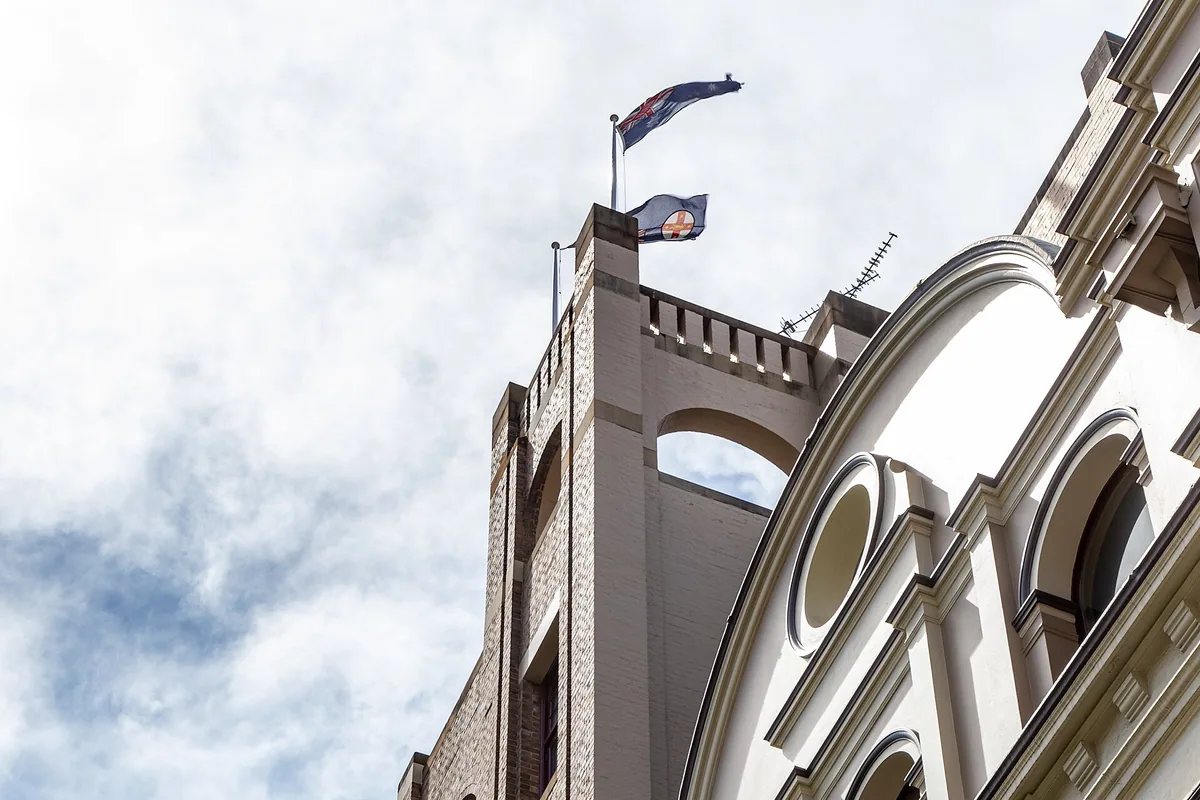

A route that reveals the levels of The Rocks
| Stage | What it adds | Practical consequence |
|---|---|---|
| Circular Quay to Cadmans Cottage | Harbour edge and a clear historic reference point | Low-level start close to transport |
| George Street | Main north–south spine through the precinct | Easier to follow than immediately entering the stair lanes |
| Rocks Discovery Museum or Susannah Place | Interpretation based on collections and place | Check current opening or tour requirements directly |
| Gloucester Street, Nurses Walk or selected lanes | Smaller-scale built fabric and changes in elevation | Cobble, stairs and gradients vary by chosen segment |
| Dawes Point or bridge approach | Harbour and bridge relationship | Do not assume this is the BridgeClimb entrance |
For a climb, the actual check-in is at 3 Cumberland Street; use the BridgeClimb route and arrival guide. For a broader day, join this walk to the harbour planner rather than adding a distant attraction.
Begin with whose history is being told
The Rocks is often introduced only through colonial buildings, convicts and ghost stories. That is too narrow. The area stands on Gadigal Country beside Warrane, and its story begins long before the British settlement that reshaped it. Choose interpretation that acknowledges continuing Aboriginal culture rather than using it as a brief prologue.
Destination NSW’s official Rocks overview links current cultural, museum and guided options, including Aboriginal-led experiences. Check the actual operator and venue pages before attending because schedules and access arrangements change.
Build the route around one source of context
A museum, guided walk or cultural program gives structure to the surrounding streets. After that anchor, leave time to notice changes in level, building material and the relationship between the harbour, transport and settlement.
Useful route components can include:
- the Circular Quay edge as an arrival point;
- a current exhibition or interpretation venue;
- George Street and smaller lanes, paced for the group’s mobility;
- a western connection toward Barangaroo or an eastern return to Circular Quay;
- a bridge viewpoint or approach rather than an automatic climb booking.
The Rocks Discovery Museum is a useful current starting point for place-based interpretation, while Susannah Place is a museum with its own visit and tour arrangements. The official Sydney Culture Trails offer a broader route framework. Check each institution’s live page rather than assuming walk-in access or a permanent timetable.
About ghost tours
Night walks can be an engaging way to experience the lanes, but entertainment and historical method are not the same. The current The Rocks Ghost Tours FAQ describes a walk of about two hours and 1.6 kilometres, with hills and stairs, starting from the lower forecourt at Cadmans Cottage, 110 George Street. It asks guests to arrive early and says tours run in rain, so footwear and the exact return route matter.
Treat supernatural claims as performance rather than established history. If you choose the current tour, verify the dated booking through the operator’s own website and confirm where it starts and finishes. A late finish on an uphill street can materially change the return journey.
Daylight and evening are different visits
In daylight, exhibitions, architectural detail and harbour connections are easier to examine. In the evening, lighting and quieter lanes alter the atmosphere while some museums and visitor services may be closed. If history matters more than performance, begin during opening hours and extend the walk into dusk.
An evening booking should leave a clear route back to rail, light rail, bus or ferry. Check live services through Transport for NSW, especially during planned trackwork or large harbour events.
Mobility and comfort
The Rocks includes slopes, stairs, cobbled or uneven surfaces and routes that look shorter than they feel. There is no single accessibility answer for the whole precinct. Ask a tour operator about the exact route, not simply whether a tour is described as accessible. For independent exploration, identify step-free alternatives and rest points in advance.
Heat and strong sun can also affect exposed sections. Carry water and choose an indoor pause rather than relying on a long sequence of commercial stops.
A respectful half day
- Arrive through Circular Quay and orient yourself to the water and bridge.
- Spend focused time with one authoritative cultural or historical source.
- Walk a short lane-and-foreshore circuit at a pace that permits observation.
- Continue to Barangaroo, the bridge approach or the Opera House side only if time and energy remain.
- Revisit official information later rather than turning uncertain stories into travel facts.
The value of The Rocks is not that it resembles an untouched old quarter. It is that many periods, interests and contested stories remain visible within a working city precinct.
Addresses and meeting points
Put the activity on the map
Use these points for orientation. Your dated ticket or operator confirmation takes priority if it names a different entrance, wharf or meeting point.
Cadmans Cottage
110 George StreetNSW 2000 The RocksAustraliaA clear George Street reference point and the current meeting area for The Rocks Ghost Tours; verify the dated booking instruction.